
Modern Connector and Patch Cord Trends for Network Installations
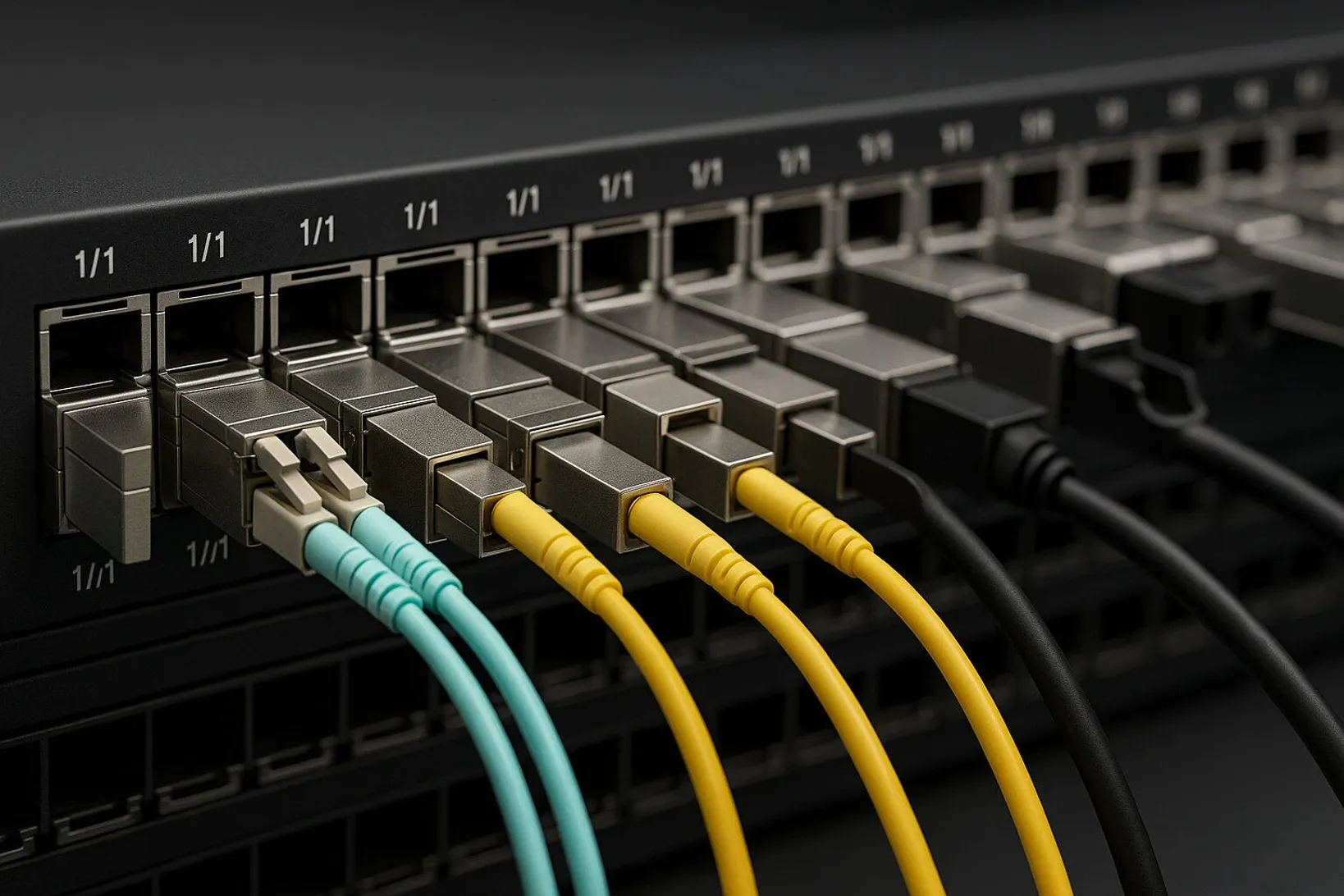
In today’s rapidly evolving networking landscape, high-density fiber installations have become a standard requirement for data centers, enterprise networks, and telecom infrastructures. As network demands grow, driven by cloud computing, 5G, and IoT applications, the role of connectors and patch cords in ensuring reliable, high-performance connectivity has never been more critical.
Modern connectors are engineered to maximize port density without compromising performance. Solutions such as LC duplex, MPO/MTP, and push-pull compact connectors enable engineers to deploy more fibers in limited rack space, reducing footprint while supporting scalability for future upgrades.
Precision ferrules and alignment sleeves ensure low insertion loss and high return loss, maintaining signal integrity across complex, high-density networks. Durability and ease of maintenance are equally important, as frequent reconfiguration in dense racks demands connectors that withstand repeated mating cycles. Robust materials and dust-resistant designs simplify maintenance and reduce the risk of downtime caused by connector failures. Patch cords have also evolved to meet the challenges of high-density installations. Bend-insensitive fiber cables mitigate signal loss in tight bends, allowing flexible routing without compromising performance.
Color-coding and pre-printed labeling streamline identification, installation, and troubleshooting, while customizable lengths and connector configurations optimize rack organization and reduce excess cabling. Investing in advanced connectors and patch cords ensures reliable data transmission at high speeds, scalability for future network growth, simplified installation and maintenance, and reduced signal degradation in complex cable routing.
As network demands continue to grow, integrating modern connector and patch cord technologies is essential to maintaining competitive, reliable, and efficient networks. Engineers and network designers who stay updated with these trends can ensure their infrastructure remains robust, high-performing, and ready for the next generation of connectivity.