
Fiber Cable Management in Data Centers
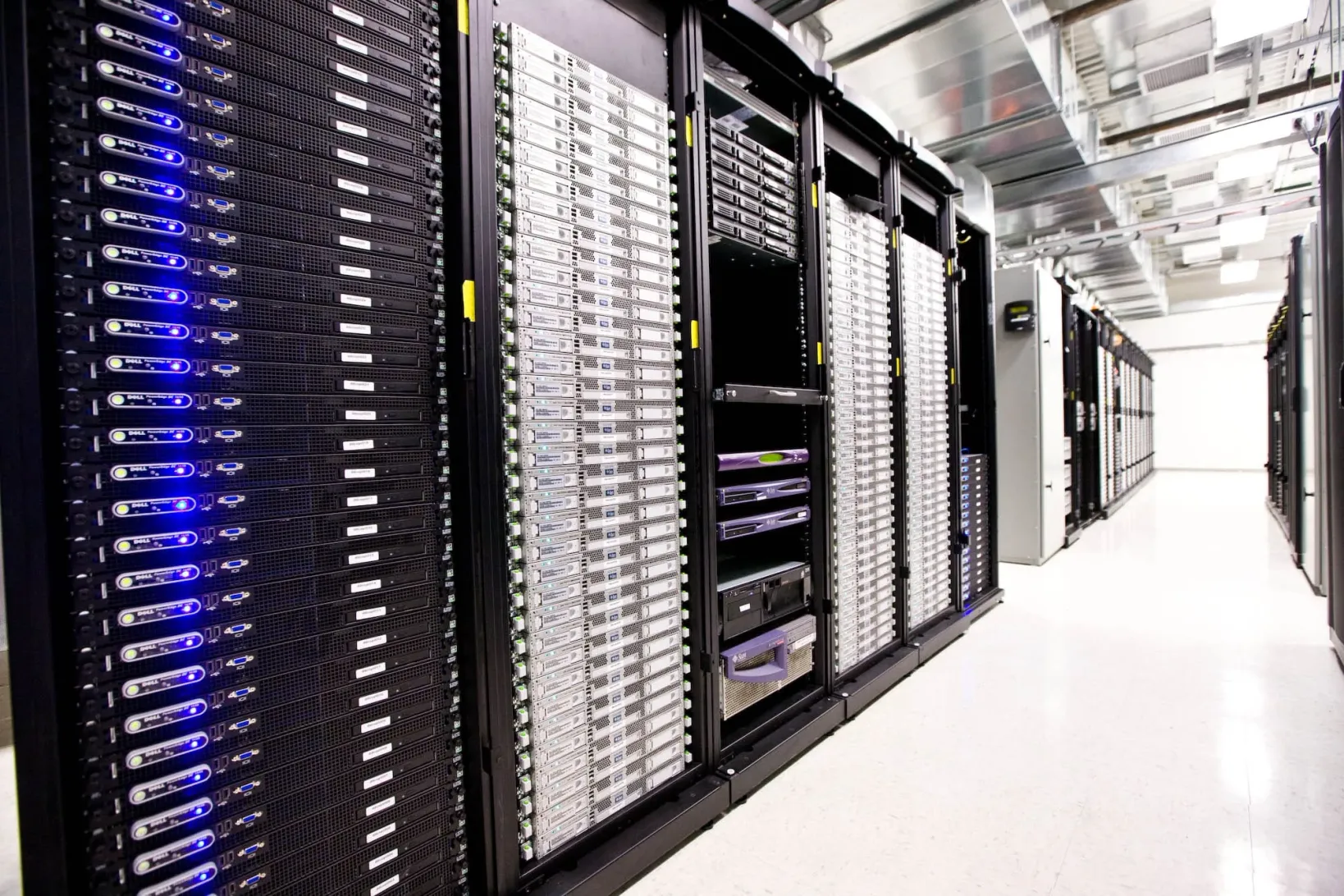
Effective fiber cable management is essential for ensuring high-performance, reliable, and scalable data center networks. Poor cable organization can lead to signal loss, increased downtime, difficult maintenance, and higher operational costs, while proper management improves efficiency, extends the life of cables and equipment, and simplifies network upgrades. Implementing structured cabling systems with standardized layouts helps reduce congestion and allows for clear routing of fibers along dedicated trays, avoiding sharp bends and maintaining separation from power cables to minimize interference. Accurate labeling of cables at both ends is critical for quick identification and troubleshooting.
Patch panels play a vital role in organizing fiber connections, providing accessible ports for reconfiguration, and maximizing space efficiency, especially when using high-density LC or MPO panels. Cable trays and racks must support the weight and volume of fibers without stressing the cables or exceeding recommended bend radii. Maintaining proper bend radius prevents microbands and macrobands that can increase insertion loss and degrade network performance, and fibers should be protected with conduits, sleeves, or bend-limiting hardware when routed through tight spaces. Separating different cable types, such as backbone, horizontal, and patch cables, ensures organized routing, prevents interference, and simplifies airflow management.
Regular audits and preventive maintenance are also crucial to check for cable stress, loose connections, or dust accumulation, allowing potential issues to be detected before affecting network performance. Proper fiber cable management is not only about aesthetics—it is a critical component of network reliability, operational efficiency, and scalability, ensuring that data centers remain optimized today and prepared for future growth.