
Patch Cord Selection: Key to Reliable Data Transmission
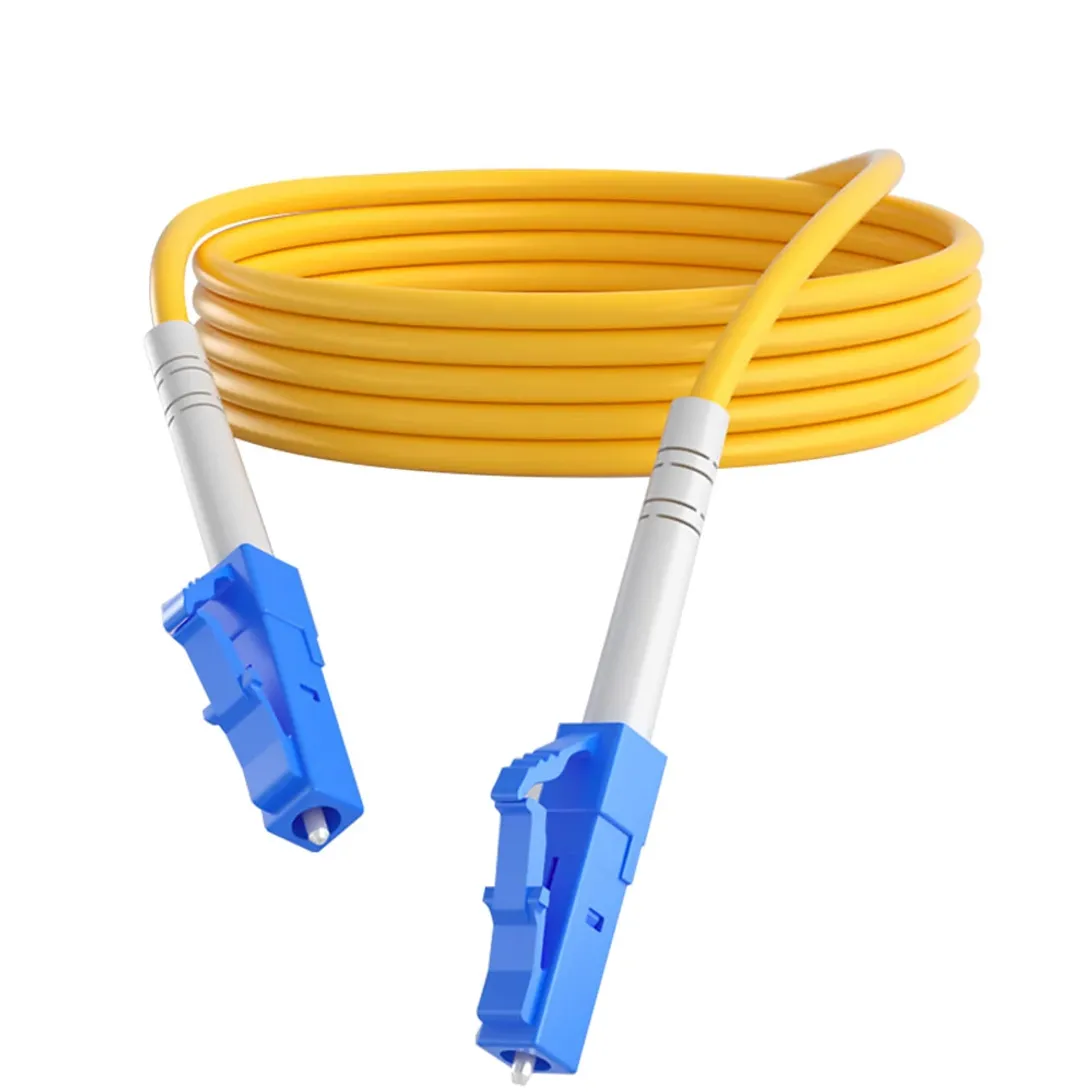
Ensuring signal integrity is critical in today’s high-speed networking environments, and one often overlooked factor is the selection of the right patch cord. A patch cord is not just a simple link between devices; it is a crucial component that directly affects network performance. Choosing the wrong type or low-quality patch cord can lead to signal loss, crosstalk, reduced bandwidth, and frequent network errors, which can cause downtime and frustrating user experiences.
Selecting the right patch cord starts with understanding fiber type compatibility. Single-mode fibers are ideal for long-distance transmissions, while multi-mode fibers are better suited for short to medium distances, such as within data centers or office buildings. Connector quality is equally important, as high-quality connectors reduce insertion loss and reflections, ensuring minimal interference.
Common connector types such as LC, SC, ST, and MPO/MTP serve different applications and equipment requirements. The cable itself should meet strict performance specifications, including bandwidth, attenuation, and durability, and adhere to recognized standards such as TIA/EIA, ISO/IEC, and CENELEC. Patch cord length should also be considered carefully; excessive length can introduce unnecessary attenuation, so using a cord just long enough to connect devices without tension is recommended.
For installations in industrial or outdoor environments, armored or ruggedized cords provide additional protection against temperature extremes, moisture, and mechanical stress. Maintaining signal integrity also requires proper handling and care: regularly inspect cords for bends or damage, clean connectors to prevent dust-related signal degradation, organize and label cords to avoid unnecessary stress, and always use certified, standard-compliant products.
By paying attention to these factors and selecting the right patch cords, network operators can prevent performance issues, ensure smooth data transmission, and protect the longevity of their equipment and infrastructure, ultimately creating a reliable and high-performing network.