
What Does CAT6 Actually Mean?
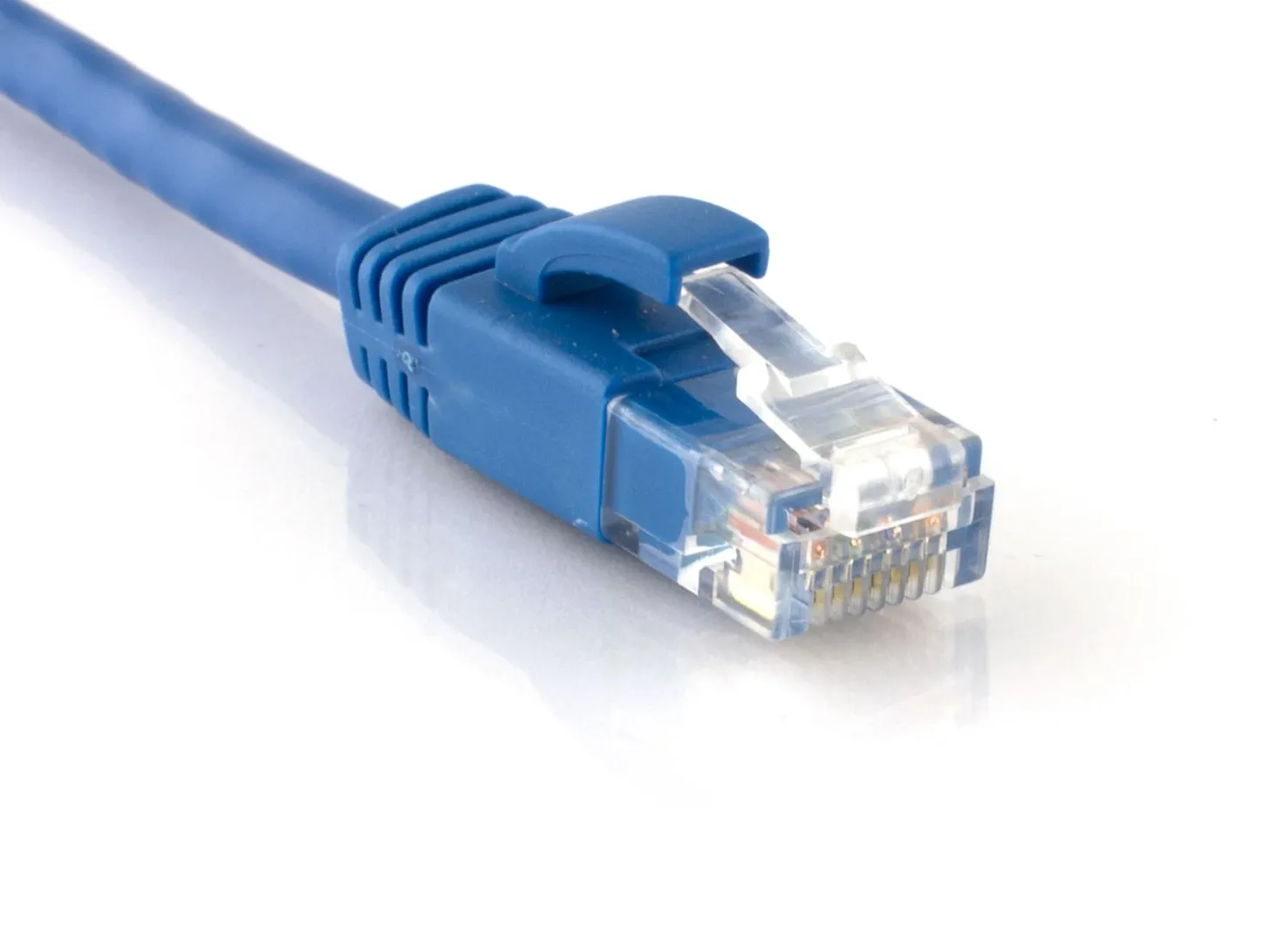
When setting up a network, most people focus on internet speed, routers, or devices, while the Ethernet cable itself is often overlooked. Yet one small detail written on the cable — CAT6 — can significantly affect network performance, stability, and overall user experience.
CAT6 stands for “Category 6,” a standardized type of Ethernet cable designed to support high-speed data transmission with improved performance compared to previous cable generations. It was developed to meet the growing demand for faster and more reliable networks in homes, offices, commercial buildings, and industrial environments.
As modern businesses and households continue using more connected devices, cloud systems, video conferencing, streaming platforms, smart technologies, and surveillance systems, network infrastructure has become more important than ever. This is where CAT6 cables play a major role.
One of the key advantages of CAT6 cables is their ability to support higher bandwidth and faster data transfer speeds. They are designed to reduce signal interference and crosstalk, helping maintain stable and consistent connectivity even in demanding network environments. This makes CAT6 an ideal choice for applications that require reliable performance, such as gaming setups, CCTV systems, smart offices, VoIP communication, data centers, and enterprise networking.
Compared to older cable standards like CAT5 or CAT5e, CAT6 offers improved efficiency and better support for modern networking requirements. As internet speeds continue to increase and businesses rely more heavily on uninterrupted connectivity, older cables may struggle to keep up with growing data loads and device demands.
Another important factor is future readiness. Installing CAT6 cabling today helps prepare networks for future technologies and infrastructure upgrades. Instead of replacing outdated cables later, businesses and homeowners can build a more scalable and dependable network from the beginning.
Physical construction also contributes to CAT6 performance. These cables are built with tighter twists and better insulation to minimize electromagnetic interference and maintain signal quality over longer distances. This results in improved reliability, especially in environments where multiple electronic devices operate simultaneously.
CAT6 cables are widely used across various industries and environments. Offices use them for stable internal networks and high-speed internet access. Security systems rely on them for uninterrupted CCTV data transmission. Smart homes depend on reliable connectivity between devices, while data centers require consistent and efficient communication between servers and networking equipment.
Choosing the right Ethernet cable is not simply a technical decision — it directly impacts productivity, communication quality, user experience, and network stability. Even with advanced networking equipment, poor cabling can create bottlenecks that limit overall performance.
In modern networking infrastructure, every component matters. CAT6 cables may seem like a simple accessory, but they are a critical foundation for fast, stable, and future-ready connectivity.