
How to Choose the Right Rack Cabinet for Network Equipment
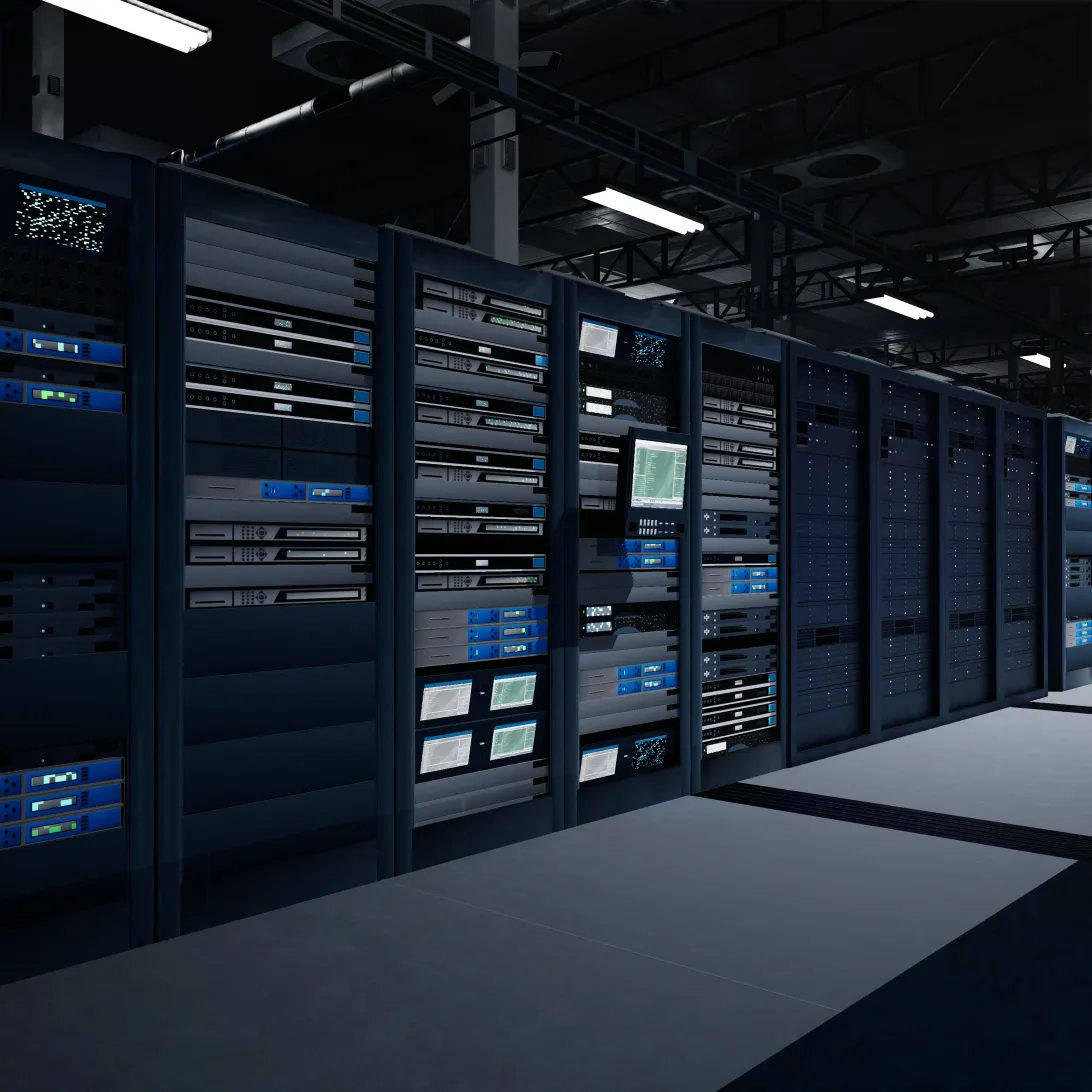
Choosing the right rack cabinet for your network equipment is essential for ensuring both the safety and performance of your infrastructure. A rack cabinet does more than just hold your servers, switches, and patch panels—it organizes your equipment, protects it from physical damage, and ensures proper airflow to prevent overheating.
The first thing to consider is the size of the cabinet. Rack cabinets are measured in units (1U = 1.75 inches), and you need to account not only for your current equipment but also for future growth. Standard width is typically 19 inches, but depth can vary, so it’s important to ensure that your cabinet can comfortably fit all devices while leaving space for cables and maintenance access.
Ventilation is another critical factor. Proper airflow prevents heat buildup, which can reduce the lifespan of your equipment or even cause failures. Cabinets with perforated front and rear doors allow hot air to escape, and in high-density setups, you may need active cooling options like fans or air conditioning units.
Well-organized cabling also plays a role, as tangled or overcrowded cables can block airflow and reduce cooling efficiency. Load capacity is equally important. Servers and networking devices can be heavy, so it’s essential to verify the maximum weight the cabinet can support, including any future additions. Floor-mounted cabinets should have leveling feet for stability, while mobile cabinets may require sturdy casters.
Security and accessibility should not be overlooked. Lockable doors prevent unauthorized access, removable side panels make maintenance easier, and some cabinets even offer sensors to monitor temperature and humidity. Other practical features include cable management accessories to keep wiring tidy, compatibility with power distribution units for organized power supply, and modular designs that allow for expansion or customization. Ultimately, choosing the right rack cabinet is an investment in the long-term reliability, safety, and scalability of your network.
By carefully considering size, ventilation, load capacity, and additional features, you can ensure that your equipment operates efficiently and remains protected for years to come.